

A hospital-based IVF clinic in Alabama was sued by three different couples using their services when a psychiatric inpatient entered the cryostorage area through an unlocked door. The patient took several embryos before dropping them when he burned his hands. This, sadly, caused the embryos to be unusable. Eventually, the couples’ suit went all the way to the Alabama Supreme court, before being decided on February 16th, 2024.
During the trial, the couples argued that the hospital and, by extension, the clinic, were liable under Alabama’s Wrongful Death of a Minor Act (or, “the Act”). This civil law permits for punitive and compensatory damages. They also asserted that the clinic was in fact liable for wantonness and negligence. They sought damages for compensation, emotional distress, and mental anguish. However, the courts dismissed the “wrongful death” claims, since the Act didn’t include or specify in vitro embryos. They also dismissed the wantonness and negligence claims, due to Alabama law in fact prevented plaintiffs from receiving compensating damages for the loss of human life. The couples appealed this decision, and the Supreme Court of Alabama reviewed the case without needing to defer to the trial court’s decision. It would review the case as though this was the first court hearing the case. The state’s Supreme Court ruled that in fact, in vitro fertilized embryos were classified as “unborn children”, and so the plaintiffs were actually entitled to punitive and compensatory relief under the Wrongful Death of a Minor Act.
The Act, put in place in 1872, was found to have a plain meaning of “minor”. The phrase was found to include all children, unborn and born alike, and that their location (in utero or in vitro) did not matter. The court used this to determine that the embryos destroyed were children, because the Act did not specifically exclude them. The dissent written, though, said that not only did Alabama law make it clear that an “unborn child” didn’t include embryos, previous Court precedents did too.
Specifically, the eventual finding used an interpretation of the text in the Act. The Wrongful Death of a Minor Act was passed over 100 years before the invention of IVF, with the purpose to create a legal fix for parents of a deceased minor, so that they could seek damages for the death of their child which was caused by a wrongful act of another person. The plaintiff argued that the Act did not in fact define child or minor, and that the in vitro embryos should not be precluded from this Act simply because of their locations. The court did end up accepting this argument, but specified that this case did not have anything to do with the dispute over when life begins, but instead over whether an embryo in vitro is a child protected by the Act.
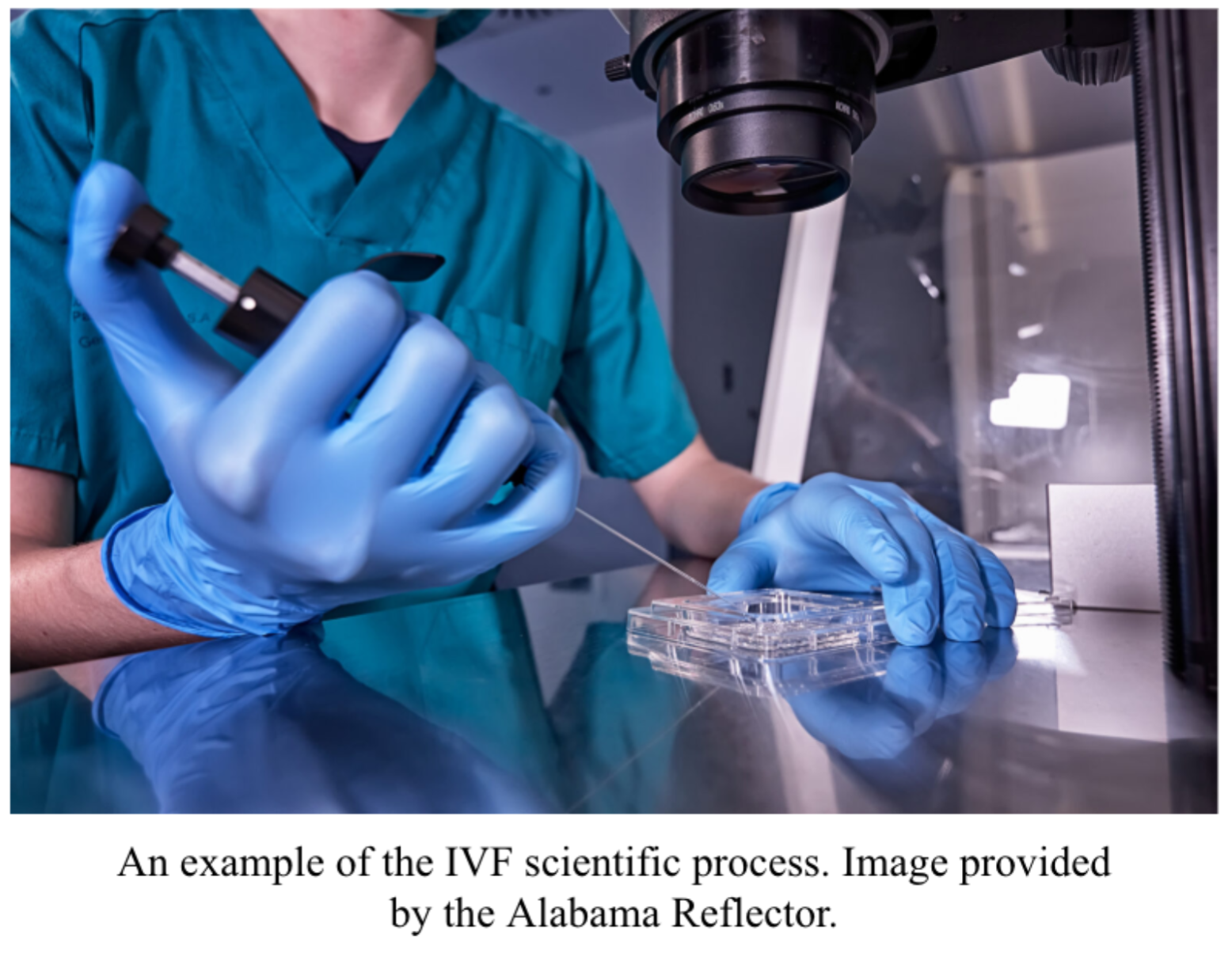
An argument against that would be the state’s criminal homicide legislation, counting the “Brody Act” of 2006, and the “Human Protection Act” of 2019, the former of which does explicitly require an embryo to be in utero for the law to count. So, the defense used this to say that no, an embryo in vitro does not qualify for the Wrongful Death Act. The court did in fact end up agreeing with the plaintiffs, and the couples were permitted to pursue wrongful death claims against the fertility clinic.
It is crucial to note that the court did not decide that the clinic itself was liable for the incident, it only held that the suit could in fact happen under the Act.
Because of the ruling, several IVF clinics in the state paused treatments on patients due to fear of civil liability if the embryos they were working with were damaged or destroyed by accident. The court decision also sparked national debate over whether recognizing frozen embryos as legal children could make the legality of IVF more risky. Not too long after the ruling, legislation in Alabama was put in place to provide both criminal and civil immunity for providers of IVF so that their services could resume. However, the broader legal questions about embryo status continue to be the subject of ongoing debate in not just the state, but the nation.